
Dental Bonding
What is Dental Bonding?
Cosmetic dental bonding is a natural solution for damaged teeth. At the Anaheim dentist office of Dr. Patel, we specialize in this cosmetic treatment. Teeth bonding is very popular since it’s affordable, durable, and long-lasting. It is also non-invasive, making it ideal for kids and adults with busy schedules.
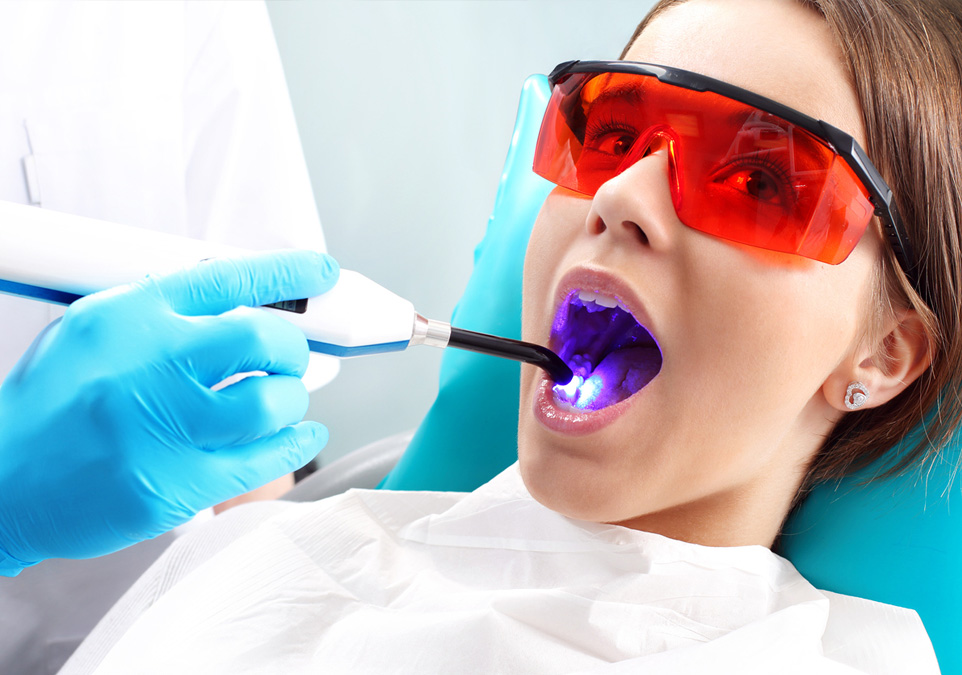
Can Tooth Bonding Fix My Child’s Chipped Tooth?
For chipped teeth in kids, tooth bonding is a great fix and solution. As a cosmetic dentist, our office will apply the resin to your children’s teeth. Then we’ll shape the resin so that it resembles their natural tooth. Dr. Patel will match the resin color to your unique tooth’s color shade for perfect color blending. Please note that if your child’s teeth are still growing, a future visit will be necessary.
Is Dental Bonding Procedure Uncomfortable?
Can Dental Bonding Fill Gaps Between My Teeth?
Did you know that there’s a straightforward solution to fill in unsightly teeth gaps? Small gaps can be filled in with bonding resin. Unlike other cosmetic treatments like veneers or crowns, it is done in one visit.
Can The Treatment Reshape My Teeth?
Does It Help With Stained Teeth?
Cosmetic bonding can help with stained teeth. The resin used can cover any unwanted discolorations of the teeth. Our office does recommend trying our teeth whitening procedure first. There will be severe cases where whitening alone won’t remove the stains. When this occurs, it will be of great use.
How Long Does The Treatment Last?
Even though dental bonding isn’t permanent, it is a long-lasting solution. With proper care and good oral hygiene habits, yours can last ten years or more. It’s best to use soft toothbrushes to keep them lasting for years. Additionally, we recommend avoiding acidic foods to protect the resin, including those like coffee and red wine.
Does Insurance Cover The Procedure?
Many dental insurance plans cover most of the costs of dental bonding treatments, especially when the treatment is used to fill a cavity or for other structural reasons. To determine if your insurance covers the procedure, please call our office today.
Cosmetic dental bonding requires some artistic skill for optimum results. Dr. Patel has years of experience, resulting in many patients leaving his office with beautiful smiles. Call today to schedule your exam and checkup. At Your Dentist in Anaheim, our primary goal is to give you good oral health.
Frequently Asked Questions
During your dental bonding consultation, your doctor will examine your oral health and discuss the concerns you have to determine if bonding is the right solution for you. Additionally, you will discuss the results you want to achieve and choose the optimal shade of the bonding material. Lastly, your dentist will explain the processes of dental bonding and what to expect before, during, and after the procedure.
Dental bonding is an excellent cosmetic solution for you if you have one of the following concerns:
- Cracks or chips on teeth
- Teeth of uneven length
- Minor gaps between the teeth
- Stains or discoloration that do not respond to whitening
Bonding is most effective for minor to mild issues, while major problems are better solved with other methods, such as veneers or crowns. Additionally, if you have bruxism, bonding might not be an optimal option as resin can chip and wear out quickly when you clench and grind your teeth.
Dental bonding can solve the majority of the issues solved with dental veneers. Additionally, bonding is a more conservative treatment than veneers as it does not require extensive tooth alteration as veneers do and allows to preserve more of the tooth’s structure. However, dental bonding is more effective at masking minor to mild and localized issues, while veneers can be used to cover up more extensive damage or significantly change the appearance of your teeth.
The color of resin composite used for dental bonding can be matched to the shade of your natural teeth, making the restoration look natural and indistinguishable from the rest of your teeth. Modern resin materials reflect light similar to natural enamel, as they are specially polished to produce a smooth, glossy shine.
Dental bonding does not require an extensive or difficult special maintenance routine, but it is recommended to be mindful about your oral hygiene, diet, and lifestyle habits if you want to preserve the results of the procedure for as long as possible. To establish effective care, we recommend adhering to the following rules:
- Brush your teeth twice a day for two full minutes
- Use non-abrasive fluoride toothpaste
- Do not use whitening products
- Floss your teeth every evening and use a water flosser
- Avoid staining foods and beverages and always rinse your mouth immediately after the meal if you consume them
- Never use your teeth as tools and avoid hard and crunchy foods
After dental bonding, it is recommended to avoid the following foods and beverages:
- Hard and crunchy foods (popcorn, seeds, dry bread, crackers, etc.)
- Sticky foods (caramel, taffy, gummies, chewy granola bars, etc.)
- Staining foods and beverages (black coffee and tea, red wine, beet root, curry, etc.)
Dental bonding is an effective solution for cracked or chipped teeth. Bonding is typically used to repair minor to moderate cracks or chips. However, bonding might not be sufficient for extensive damage. Severe structural damage typically requires treatments such as root canal therapy and dental crown placement.