
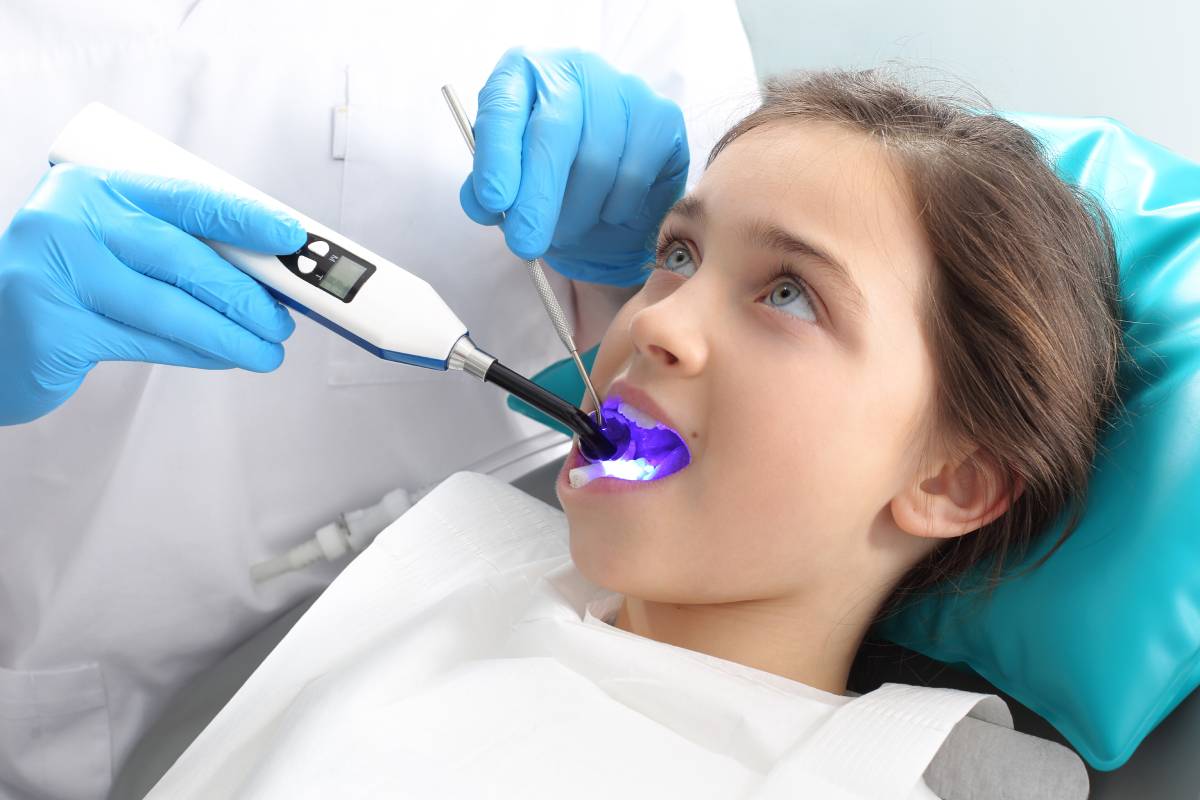
Dental sealants are one of the preventive dentistry measures that help preserve oral health. In this article, we discuss common myths about dental sealants for children and adults.
Common Myths About Dental Sealants
Dental sealants are protective coatings that are applied to teeth in liquid form. Typically, sealants are applied to the chewing surfaces of the back teeth (molars and premolars). The goal of the procedure is to fill pits and grooves in the teeth and protect them from bacterial attack, preventing cavities.
There are two main types of dental sealants:
- Resin-based sealants (the same material used in dental fillings) form a reliable bond with enamel and are very effective at sealing deep pits and grooves in teeth.
- Glass ionomer sealants are a combination of glass particles and organic acids. This option is effective but less durable than resin sealants, and it tends to wear out faster.
Let us look at the most common myths about dental sealants.
Myth 1: Dental Sealants Are Only for Children
It is a common misconception that only children can benefit from dental sealants. Sealants are indeed used more often in children, especially to prevent cavities in recently erupted or still-erupting teeth. However, using sealants has advantages for adults as well.
Typically, sealants are applied to teeth without cavities or dental fillings as a preventive measure. They can be especially beneficial for people who are prone to cavities, wear orthodontic appliances, or have dry mouth.
Myth 2: Dental Sealants Do Not Last Long
In fact, dental sealants are often just as durable as dental fillings. Resin sealants tend to last 5 to 7 years, while glass ionomer sealants typically last for 3 to 5 years. When sealants become worn out or chipped, they can be reapplied.
Myth 3: Dental Sealants Can Trap Bacteria and Cause Cavities
Dental sealants are applied to specially prepared teeth that are free of bacteria. As a result, sealants prevent bacteria from entering the tooth, reducing the risk of cavities by up to 80%. Dental sealants can only cause cavities if they are placed incorrectly, so we recommend choosing a reputable dentist to perform the procedure.
Myth 4: Dental Sealants Are Expensive
In fact, dental sealants are one of the most cost-effective preventive dental procedures, as preventing decay will help you avoid expenditures associated with fillings or root canal therapy. Sealants are significantly less expensive than dental fillings, costing approximately $30 to $60 per tooth. Additionally, many dental insurance plans cover the cost of sealants for children and teenagers, and some plans may cover the procedure for adults.
Myth 5: Dental Sealants Are Unnecessary if You Brush Your Teeth Well
Even with an impeccable oral hygiene routine, it might be challenging to clean all the small grooves of the chewing surfaces of the back teeth. Sometimes the grooves might be deeper than they appear, being a perfect environment for bacteria to proliferate.
Sealants act as a protective barrier that prevents food and bacteria from settling in the grooves. Sealants complement brushing and flossing by providing extra protection in areas most vulnerable to decay, especially for people with weak enamel that is prone to cavities.
Make an Appointment at My Dentist Anaheim
If you require dental sealants for your children or are considering having the procedure yourself, do not hesitate to make an appointment with a reliable dentist at My Dentist Anaheim. At our office, we offer a variety of preventive dental procedures, including sealants, and we will provide a solution that best accommodates your goals and needs.