
Root Canals
Tooth decay is something that does not wait around for anyone. The longer you have it, the more damage it can cause. Eventually, it can lead to mouth-wide infections and tooth loss. A root canal is a procedure that is done with the goal of saving your tooth and keeping your smile healthy.
They might sound intimidating. But, root canals are relatively painless and standard procedures. Modern dental techniques have turned them into a quick and efficient treatment that can save your teeth and keep your smile intact.
At My Dentist Anaheim, Dr. Patel has conducted countless successful root canals. He specializes in both cosmetic and general dentistry, providing top dental care to all of Orange County.
What Is a Root Canal?
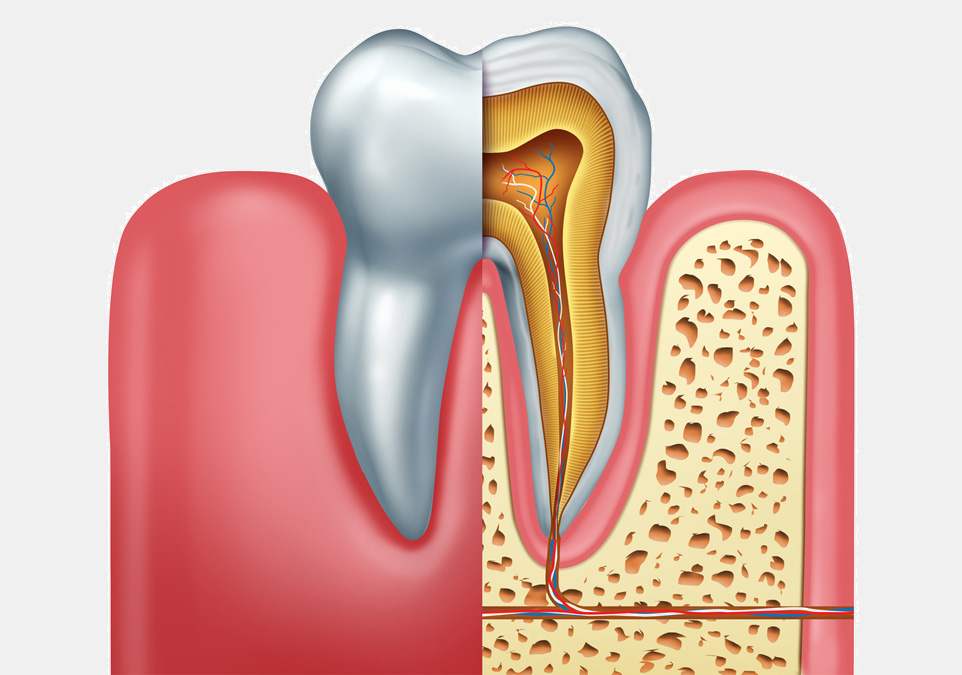
When tooth decay progresses to a certain point, it can threaten you with the loss of your tooth. If it reaches the soft inner pulp of your tooth, it can cause quite a bit of damage. At this point, getting a filling won’t be enough. And, if you wait even longer, the infection can spread to other teeth. Or even other parts of your body! A root canal stops an infection in its tracks.
How Does a Root Canal Work?
Simply put, a root canal treatment cleans out the root canal of your tooth. All of that infected pulp is cleared out and replaced. The pulp is a bundle of nerves and blood vessels that supplies life to your tooth. Without a healthy pulp, your tooth could die. In addition, you risk additional health problems if the infection contaminates those blood vessels.
Root canal treatments rid bacteria from an infected tooth. The procedure involves removing the infected tooth pulp. It might seem a sacrifice, but it is the only way to save your tooth and the teeth around it.
Afterward, Dr. Patel cleans, disinfects, fills, and seals the target tooth. Your tooth is back to safety, and so is your smile. You should also see immediate relief from the pain of the tooth infection.
Is Getting a Root Canal Painful?
This is the question on everyone’s mind. For some reason, root canals seem a dark and frightening prospect for many. However, this couldn’t be further from the truth. Many years ago, this treatment was less sophisticated, and somehow it kept that old reputation. Now, a root canal’s scary aura couldn’t be farther from the truth!
With modern dentistry and pain management, root canals are virtually a pain-free procedure. Patients today often express amazement at how fast and easy a dentist can perform the treatment. Notably, patients are amazed by how pain-free the process is during and afterward.
Most patients report that it doesn’t feel any different from receiving a routine filling. However, we understand that the procedure can still cause anxiety for some. In such cases, we offer sedation dentistry to ensure a comfortable experience. Don’t let root canal fear get in the way of receiving the help and treatment you need!
Do I Need To Get a Root Canal?
Tooth pain is the number one indicator you need root canal therapy. Infected or abscessed teeth will hurt like crazy when you bite down on them. You will certainly know it when you feel it. At the first sign of pain, we recommend visiting us.
The good news is that treatment will provide relief. Treatments have a 95% success rate, with many teeth having the treatment lasting a lifetime. That means no more pain for years to come.
But timely treatment is key to relief and saving your tooth. For some patients, they try to wait out the pain. Eventually, the pain might go away, but this is actually a negative sign. It only means that the infection has destroyed the pulp, and there is no longer a chance to save the tooth.
What Happens If You Don’t Get Treatment?

How Long Does It Take?
Root canals are a relatively fast dental procedure. The process typically requires 1-2 office visits, depending on certain factors. These factors include the level of infection and the complexity of the tooth needing treatment. However, most patients can have the treatment completed in a single visit.
If you receive sedation treatment, you might spend a little more time at the dentist. Also, be prepared to have someone drive you home if you have stronger sedation. You will still have lingering effects of it and should not be operating heavy machinery or vehicles for the rest of the day.
Which is Better, A Root Canal Or Extraction?
When given a choice, most patients prefer a root canal since it saves one’s natural teeth. Tooth extractions, on the other hand, are the last resort. If a root canal promises to save your tooth, we will always prefer it to extraction.
Still, when a dentist feels that your tooth isn’t salvageable, they will recommend tooth removal. Losing a tooth is a difficult choice to make, but sometimes it is the best option to keep you healthy overall.
Schedule an Appointment Today
If you are experiencing tooth pain, contact us today. Dr. Patel and his staff at My Dentist Anaheim are dedicated to helping you with all your dental needs. With our care, your smile is in good hands.
Schedule an appointment today, and keep your smile healthy. Dr. Patel offers top dentistry in Orange County. Whatever your concern may be, he looks forward to helping you with it. We strive to provide every patient with a comfortable and convenient dental experience.
Frequently Asked Questions
When paying out of pocket, the cost of a root canal ranges between $700 and $1,800, depending on the severity of infection or damage and location of the tooth (teeth at the back of the mouth have more than one canal and are more time-consuming to treat). If you require a dental crown after your root canal, it can cost an additional $800 to $2,500 depending on the materials the crown is made of.
Root canal therapy is a procedure designed to save infected teeth from extraction. It is used when the infection reaches the inner pulp of the tooth and can not be treated with a simple filling. However, not all infected teeth can be saved with root canal therapy. If the tooth is severely decayed and its structure is significantly weakened by infection, it might require extraction. That is why it is important to address the issue as soon as possible, while the chances to save the tooth are still high.
The success rate of root canal treatment is high provided that you are a good candidate for the procedure. The majority of teeth survive for 10 years or more after the procedure if it is done in time. Placing a crown on the tooth after root canal increases its chances of survival, as it reinforces the tooth and protects it from further damage.
The majority of patients fully recover after root canal therapy within 7 to 10 days. In the first couple of days, you might experience slight swelling or soreness at the procedure site and tooth sensitivity to cold and hot foods and beverages. However, these symptoms subside as the recovery progresses.
Depending on the severity of your tooth infection, your dentist might opt for pulp capping (pulpotomy), using laser and fluid-based cleaning methods, or tooth extraction instead of root canal therapy. Pulpotomy and similar methods can be used when the infection is not severe and allow the removal of only the infected tissue, while saving the healthy tooth structure. Tooth extraction is used in cases when the tooth structure is significantly damaged by infection, or the tooth is not likely to survive after a root canal.
We offer emergency and same-day root canal treatment at our office. If you experience symptoms such as a severe toothache and swelling in the gums or face, do not hesitate to call our office at 714-677-8575, and we will do our best to admit you as soon as possible.
The majority of insurance plans cover root canal therapy as it is typically considered a medical necessity. Often, you can expect your insurance company to cover 50% to 80% of the total procedure cost. However, the amount covered might depend on your specific plan, yearly maximum, and deductibles. We recommend contacting our office or your insurance company before the procedure to ensure that it will be covered.
We recommend having a full night’s rest before the procedure day and having a full meal before going to the dental office, as you will not be able to eat for several hours after the root canal. In a couple of days after your root canal, you should switch to a soft diet and avoid chewing on the procedure side of your mouth. Additionally, it is recommended to abstain from smoking and alcohol and avoid strenuous physical activities. Finally, it is essential to maintain a thorough oral hygiene routine and closely follow your doctor’s recommendations.