
Veneers
Teeth are durable, but far from indestructible. Accidents can leave them chipped. Years of coffee or smoking can stain them. And simply aging can wear them down. But, modern dentistry can rejuvenate teeth like never before with veneers.
Dr. Patel is a top-rated dentist in Anaheim for dental veneers. Our goal is to transform damaged teeth into beautiful bright smiles. Our cosmetic dentist often treats patients that have a variety of dental issues. Patients with chipped teeth or who want a better smile can be helped with veneers. Most patients are good candidates as long as they have a healthy tooth structure in place.
What Exactly Is A Veneer?
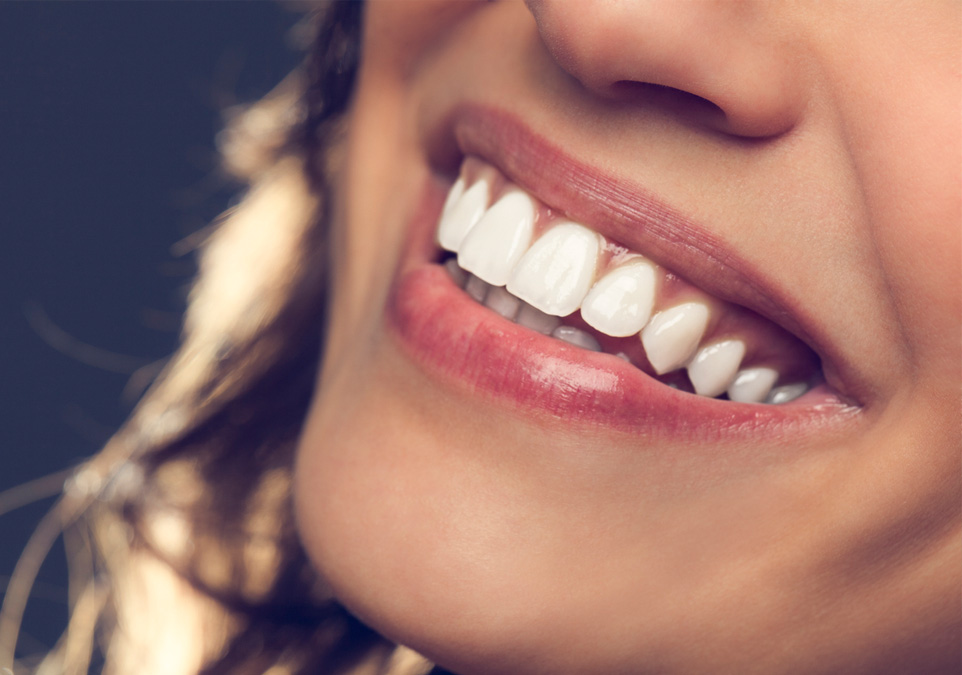
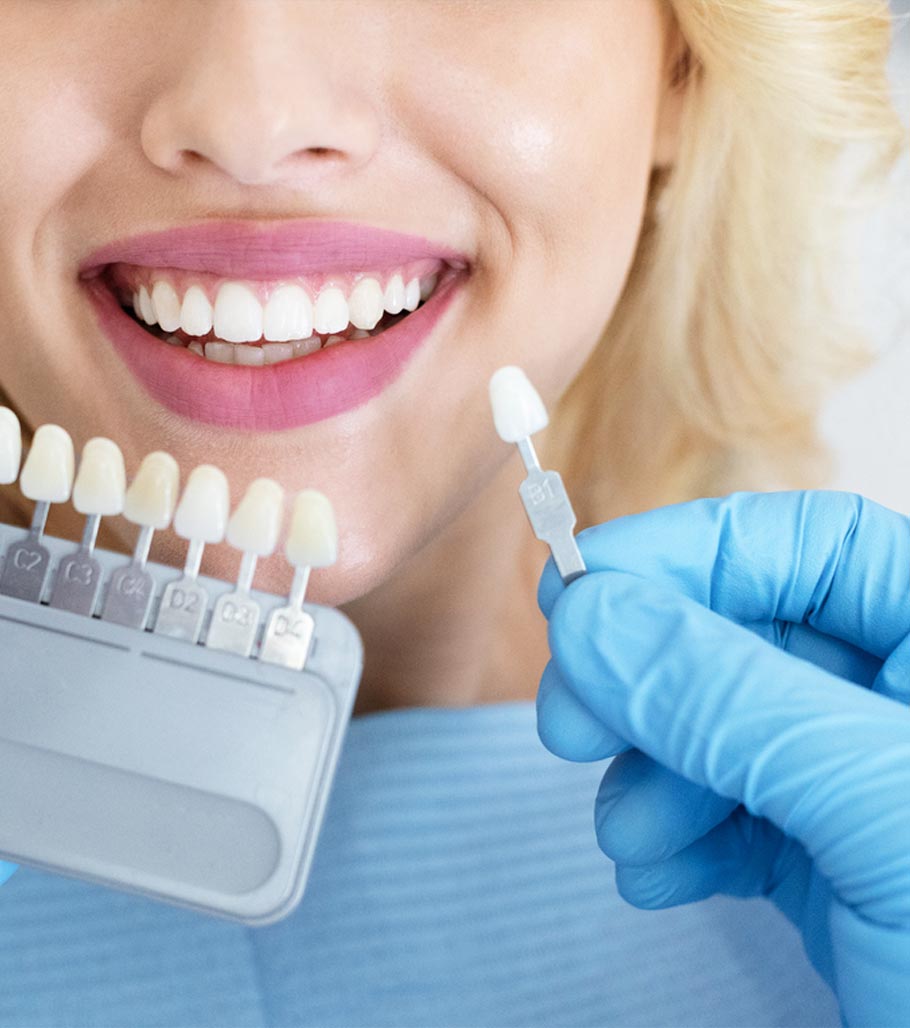
Cosmetic veneers are thin porcelain or ceramic shells that are placed over the target tooth. The color shade, shape, and size can be matched to your surrounding teeth. Each is custom made for your teeth. The result is a completely natural look that matches the rest of your teeth.
Receiving veneers is a straightforward process. The application of them is painless, and you see immediate results.
How Can I Benefit From Veneers?
Dentists can use veneers for a variety of teeth problems patients have. Veneers can restore a bright appearance to your teeth. If any of your teeth are stained, they will instantly brighten your smile.
They can also serve to even out your smile. For example, veneers can close any tooth gaps. And, it’s easy to apply multiple veneers in one setting. Doing so can help make all your teeth uniform and tidy in their shape, sizes, and colors.
We understand how important it is to be confident in your smile. Just because veneers are a cosmetic procedure does not make them any less important. A healthy and confident smile can have a strong positive impact on your quality of life.
What Happens During The Procedure?
Getting cosmetic veneers is a multi-step process. During your first visit, teeth impressions are taken so that the veneers perfectly match your teeth. These impressions are then sent to a lab for creation.
The lab will generally take about a week to make your veneers. During this time, they work to ensure the size, shape, and color are made to the specific recommendations.
While waiting for these permanent veneers, you can receive a temporary one if need be. Dr. Patel prepares your tooth by removing small portions of the enamel.
Finally, when the permanent ones are ready, the dentist will place them on your teeth. All in all, the process is straightforward, quick, and convenient.
What Happens After The Procedure Is Finished?
Most patients report feeling a little sore after their permanent veneers are placed. However, the soreness will gradually go away after a few days.
If the soreness becomes more than just discomfort, Dr. Patel will prescribe pain medication to help. Our dental office recommends soft foods during this recovery time to help things move along smoothly.
Our dental office will do our best to provide maximum comfort both during and after the procedure. That means, if you have any questions or concerns, don’t hesitate to call us.
Caring for Veneers
Will My Insurance Cover Veneers?
Most insurances consider veneers a cosmetic procedure, so there won’t be much coverage. Our office will be more than happy to check to see if your specific insurance has coverage.
At your Anaheim dentist, we understand that your insurance may or may not pay for the procedure, which is why we will work with both you and the insurance company. We want to ensure that you receive the best quality dental care that you need. Regardless of how much your insurance may be willing to pay. We have many payment solutions to help.
Contact Us
If the shape of your teeth has had a negative impact on your quality of life, veneers might be for you. Don’t hesitate to schedule an appointment with us today. Dr. Patel and the staff at My Dentist Anaheim are looking forward to helping you achieve the smile you deserve.
We have early morning and later afternoons to fit anyone’s busy schedules. Experience dental care that’s both affordable and amazing. Get a smile can be proud of for years to come.
Dental Veneers FAQs
Porcelain or zirconia veneers cost between $950 and $2,500 per tooth, depending on the complexity of the work. Resin composite veneers cost between $400 and $1500 per tooth. Your total treatment cost will also include diagnostic 3D imaging, temporary veneers, or therapeutic procedures such as gum contouring and deep cleanings if needed.
You may be a good candidate for dental veneers if you have healthy teeth with no decay and healthy gums. If you have cavities or gum disease, these conditions will have to be treated before you can consider a dental veneer procedure. Veneers are typically recommended to people whose concerns include cracks, chips, or deep stains on teeth, or irregularities in teeth shape or size.
Porcelain dental veneers last between 10 and 20 years, depending on the care you take of them and your oral health. Porcelain is not only durable but also a stain-resistant material. An alternative to porcelain is resin composite, the same material dental fillings are made of. Resin composite veneers usually last between 5 and 10 years, as they can stain or break more easily than porcelain veneers.
Typically, getting dental veneers takes 2 to 3 visits to a dental office. During the first consultation, you will discuss your goal with your dentist. Also, your dentist will check your oral health to determine if you are a good candidate for veneers and whether or not the procedure can solve the issues you have. During the second visit, your dentist will prepare your teeth for veneers, take scans or impressions of your teeth, and place temporary veneers. Then, you will need to wait around 10 to 14 days for your permanent veneers to be made. During the final visit, your veneers will be bonded to your teeth, making sure they are comfortable.
Dental veneers can look remarkably natural, especially if they are made of high-quality materials and customized with your anatomy in mind. Modern veneers closely mimic the irregularities of the surface and shape of natural teeth as well as natural enamel translucency. Also, a skilled cosmetic dentist will take into account your skin tone, the structure of your face, and your age to provide you with veneers that look like healthy natural teeth.
The materials most commonly used for dental veneers are porcelain, zirconia, and resin composite. Porcelain and zirconia veneers are typically more expensive than composite ones, but they are also more durable, stain-resistant, and long-lasting.
Teeth underneath veneers remain healthy and functional. However, the veneer application process permanently changes your teeth. For veneers to fit among your teeth, the teeth are filed down (some enamel is removed). Since our teeth can not survive without their enamel, you will have to wear veneers or crowns to protect the teeth for the rest of your life.
There are several simple but important rules we recommend you follow to ensure your veneers last as long as possible:
- Establish and adhere to an effective daily oral hygiene routine.
- Choose non-abrasive fluoride toothpaste and a soft-bristled toothbrush.
- Avoid whitening products or products containing soda or charcoal.
- Visit your dentist twice a year for professional cleanings.
- Avoid staining foods and beverages and hard and crunchy foods.
- Never use your teeth as tools.
- Wear a mouthguard at night if you experience bruxism and while playing contact or extreme sports.